

Sunday afternoon. You've been running all week, and finally you sit down on the sofa. Five minutes in, a voice starts up inside: The laundry's still there. That email is waiting. Who sits around at this time of day?
So you get up. Or you stay put, but the voice stays too. And whatever this is, it isn't rest. You're just sitting still, feeling guilty.
Where does that voice come from? I think from three sentences most of us know by heart. Hard work pays off. Use it or lose it. Rest is for the weak.
Was rest ever meant to be a reward?
From the time we were little, we were taught that being "good" really meant being "successful". And what did we do? We worked at a pace nothing could stop. We believed being busy was proof of success. Because doing nothing was weakness. Because slowing down meant falling behind.
Rest? That was a reward. Something you had to earn. As if you really did have to deserve that moment. And years later, that whisper still hasn't gone quiet: "If I slow down… If I rest… I'll lose."
A client once summed up the feeling in a single sentence during a session: "Because my whole life has been built on doing what I was told, it's like I haven't done my homework."
I used to think not being able to stop was success
For a long time, everything looked fine from the outside. I was a marketing manager at world-famous global companies, and I loved my job. I put my exhaustion down to ambition. My anxiety to determination. My inability to stop to what success demanded. And all of it felt normal.
There were moments when I tried to stop. But the second I did, five thousand things I had to do would flood my mind. With all of them crowding in, I couldn't even tell I had stopped. After a while I'd get up again, restless.

Until my body started asking for something else. Gently at first, then louder and louder. Anaemia, constipation, throat reflux, painful periods, anxiety, chronic fatigue, low immunity. They were all warning lights my body had switched on, and I ignored every one of them.
Turning even rest into a task
The real trap, I think, is one step further. Even when we notice we're tired, we don't stop. We add rest to the list. A woman once described it to me like this: "I'm trying to invest in myself with tremendous discipline. I do yoga in the evenings, for example, as tired as I am."
Yoga, meditation, breathwork, sleep tracking. All lovely things. But hand them to a tired body as one more thing it should be doing, and they stop being rest and become another task. The body is still in the same place: trying to keep up.
The fire alarm that never switches off
Our bodies have a fire alarm. When there's danger, it speeds up your heart, quickens your breath and sends all your energy into running or fighting. This is the sympathetic nervous system. Opposite it is a system that takes over once the alarm goes quiet. The system of digestion, repair, sleep and rest: the parasympathetic nervous system.
The alarm was built for short bursts. The danger passes, the alarm goes quiet, the body goes back to repair. In Ayurveda, this kind of speed belongs to vata: the air and movement in the body, speed and rhythm itself.
So what happens if the alarm never switches off? At first it can even feel good: you're more productive, you get everything done. But when the alarm stays on for a long time, the body starts leaning on its slower stress hormone, cortisol. Over time that load comes back as fatigue, a foggy mind, broken sleep and a struggling gut. That's what my not being able to stop really was. My fire alarm was still ringing, and while the alarm is ringing, the body doesn't feel safe enough to stop.
Most of us know what this looks like in the body. Tiredness that doesn't lift, indigestion and bloating, headaches, sleepless nights, hormones that have lost their rhythm, stress-related skin problems, cycles of illness that never seem to end.
That's why rest can't be a reward you have to earn. What we were taught to call laziness is the one moment the alarm can go quiet and the body can return to repair.
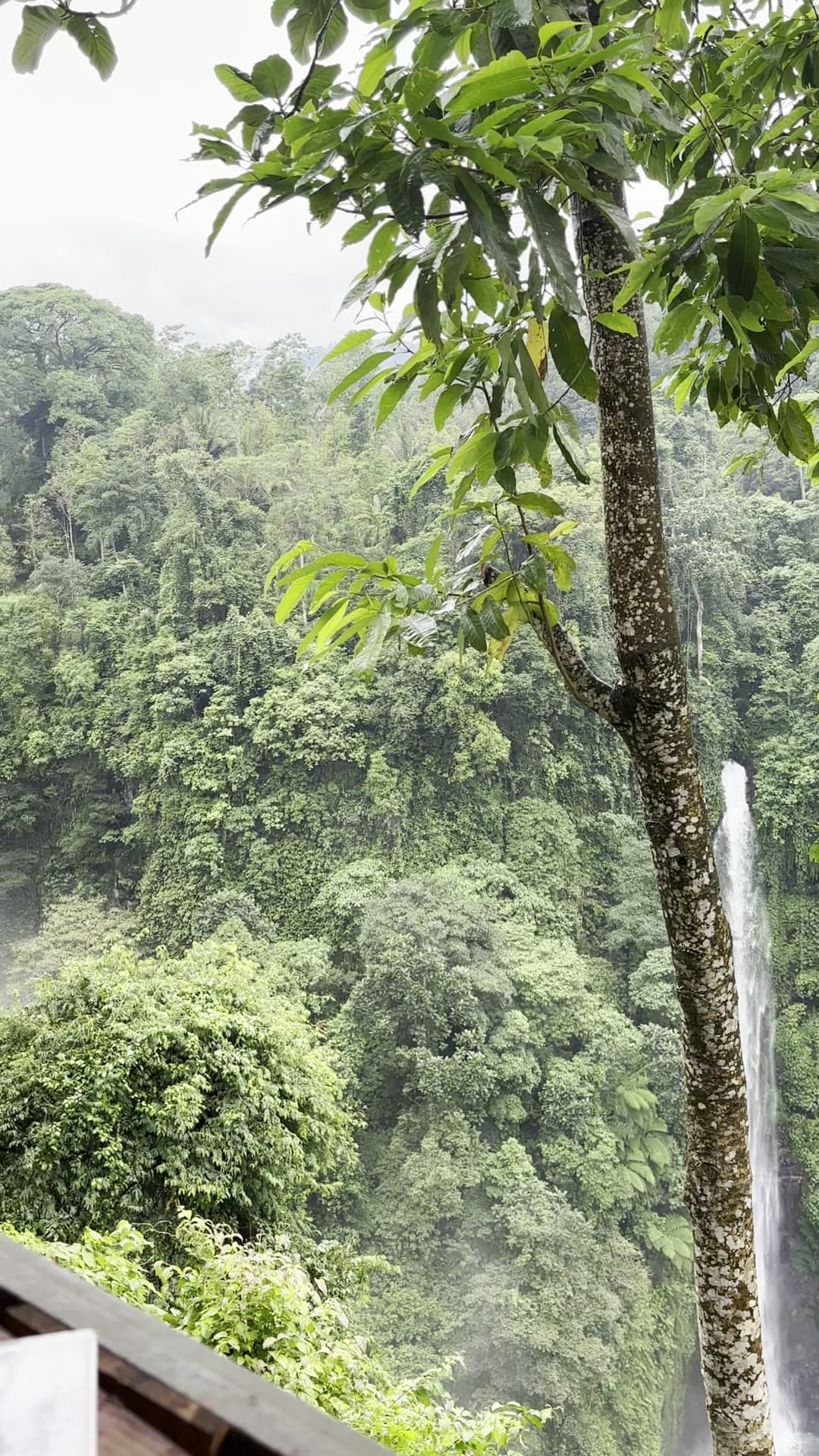
Look at nature and it becomes even clearer. Have you ever seen a tree straining to grow faster? Or a river pushing itself, thinking "I should be flowing more"? A branch doesn't struggle to grow faster. It simply follows the light, sends its roots deeper, and grows. Nature knows the power of being. Your nature works exactly the same way. Healing asks you to be more than to do, and the first condition of being is letting yourself rest.
Why does it feel so hard?
Because most of us didn't choose this. We learned it. The people who told us that rest is for the weak didn't mean any harm; maybe they were taught the same way. But the child who heard it learned that stopping is dangerous. That's why, today, the moment we sit down, an alarm goes off inside us.
Maybe that guilt isn't a sign you're doing something wrong. Maybe it's just the echo of a very old sentence.
So is rest really for the weak?
For years I thought not being able to stop was what success required. Until my body showed me what it was costing me.
Maybe the real question is this. The last time you rested, what went through your mind? Whose voice was that guilt speaking in? And who told you that rest is something you have to earn?
When did I turn rest into something I had to earn?